Moissanite vs. Diamond: What Is the Difference?
When choosing fine jewelry, many shoppers compare moissanite and diamond. Both stones offer exceptional sparkle, but they are different gemstones with unique characteristics. Understanding the difference can help you choose a piece that matches your style, budget, and everyday needs.
What Is Moissanite?
Moissanite is a gemstone made from silicon carbide. Natural moissanite is extremely rare, so most jewelry uses lab-created moissanite with the same chemical and visual properties.
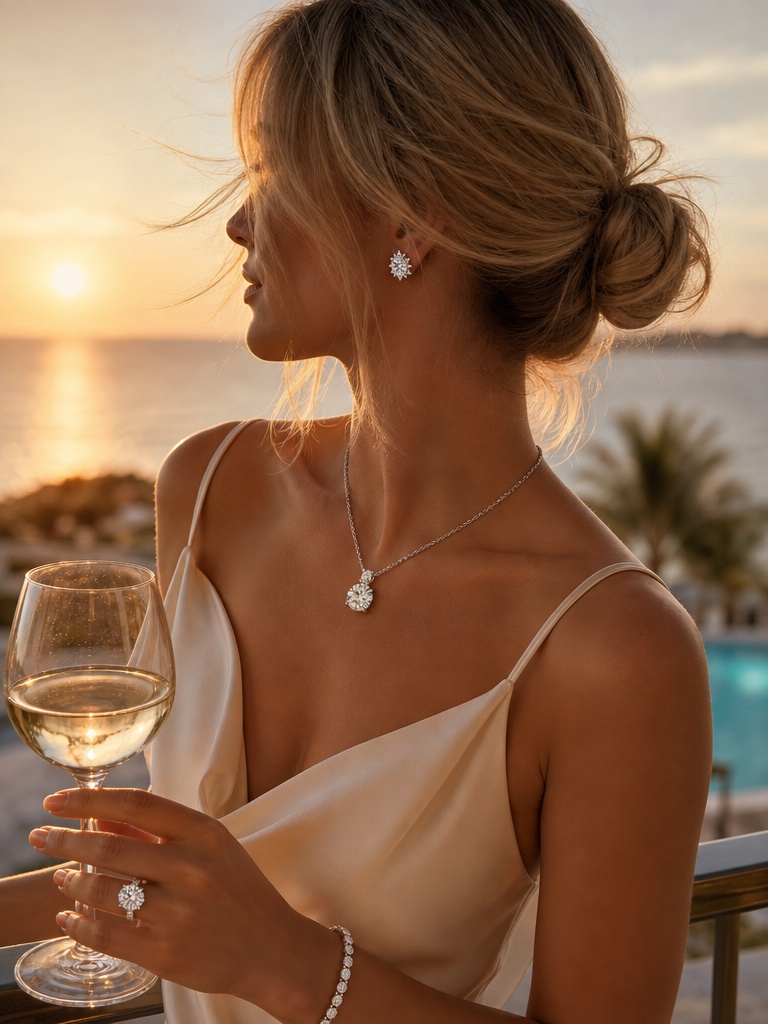
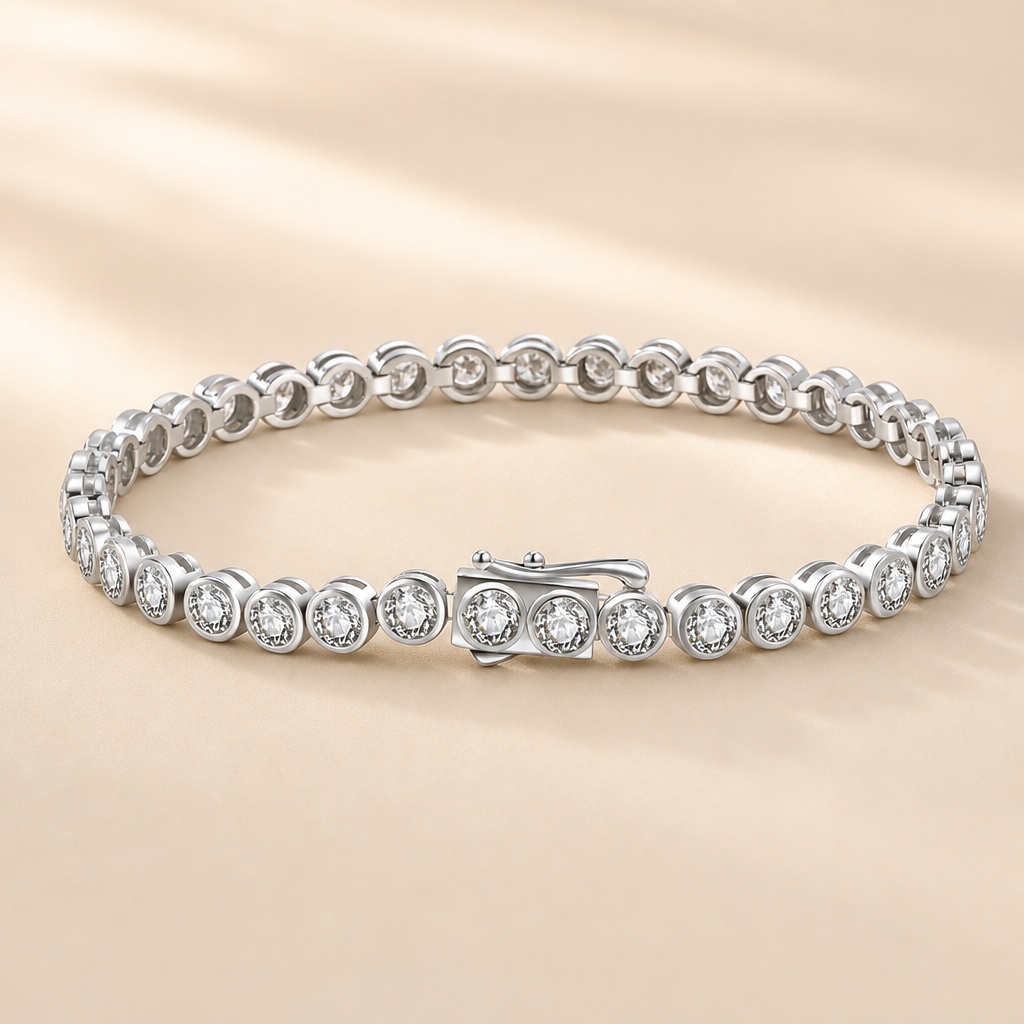
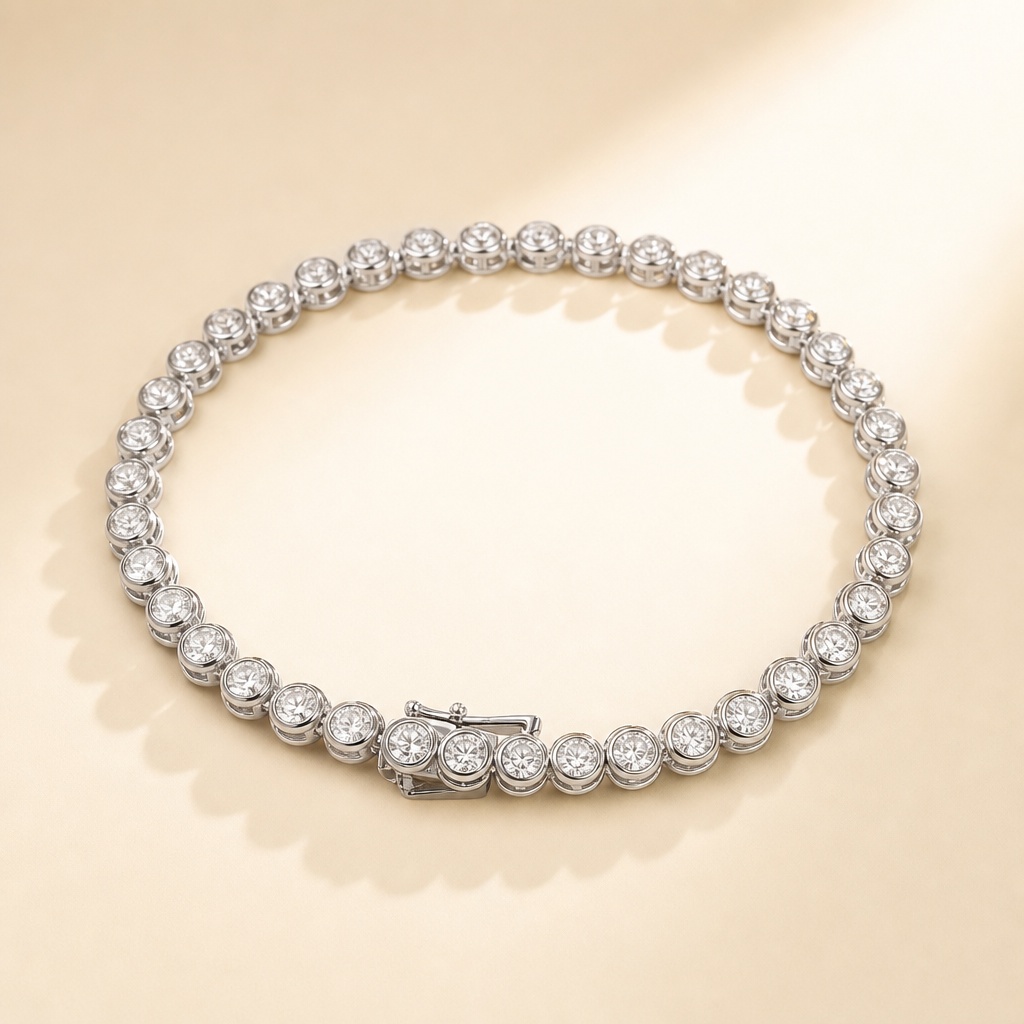
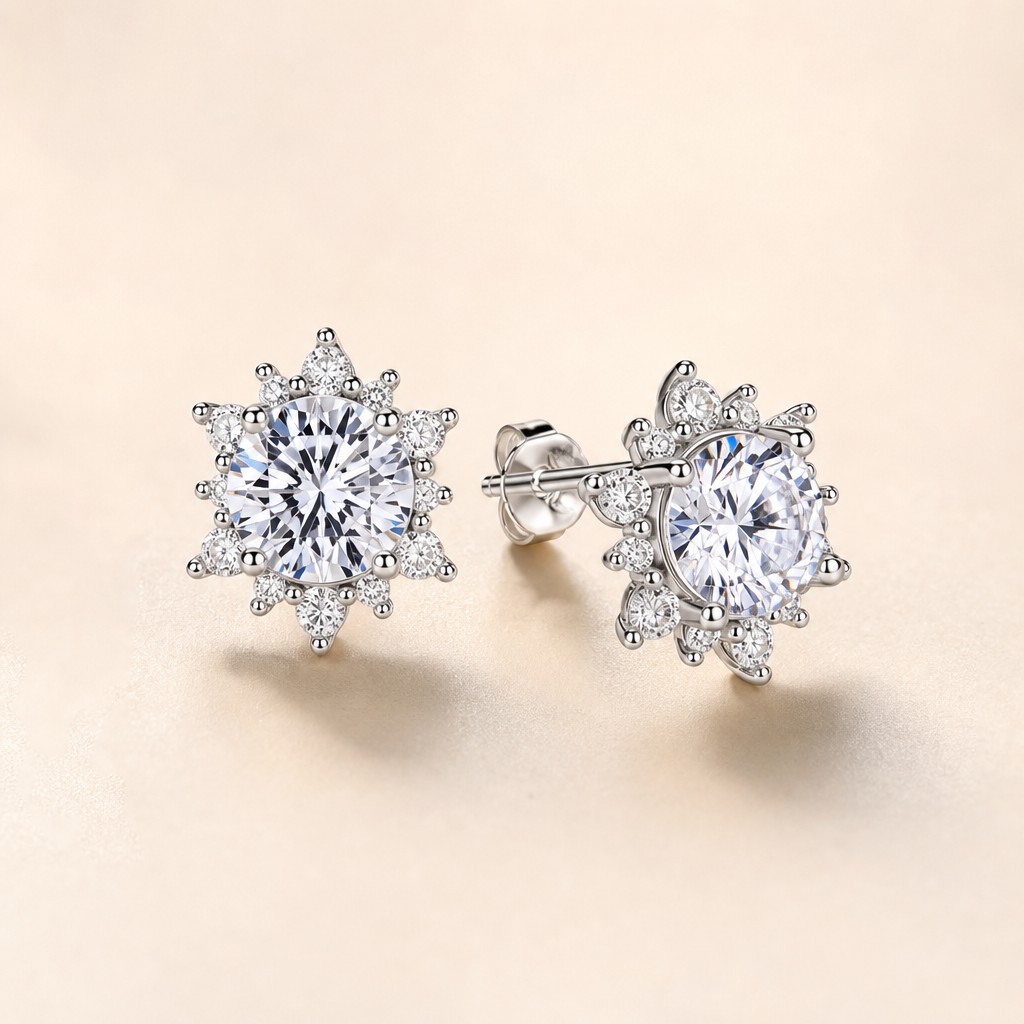
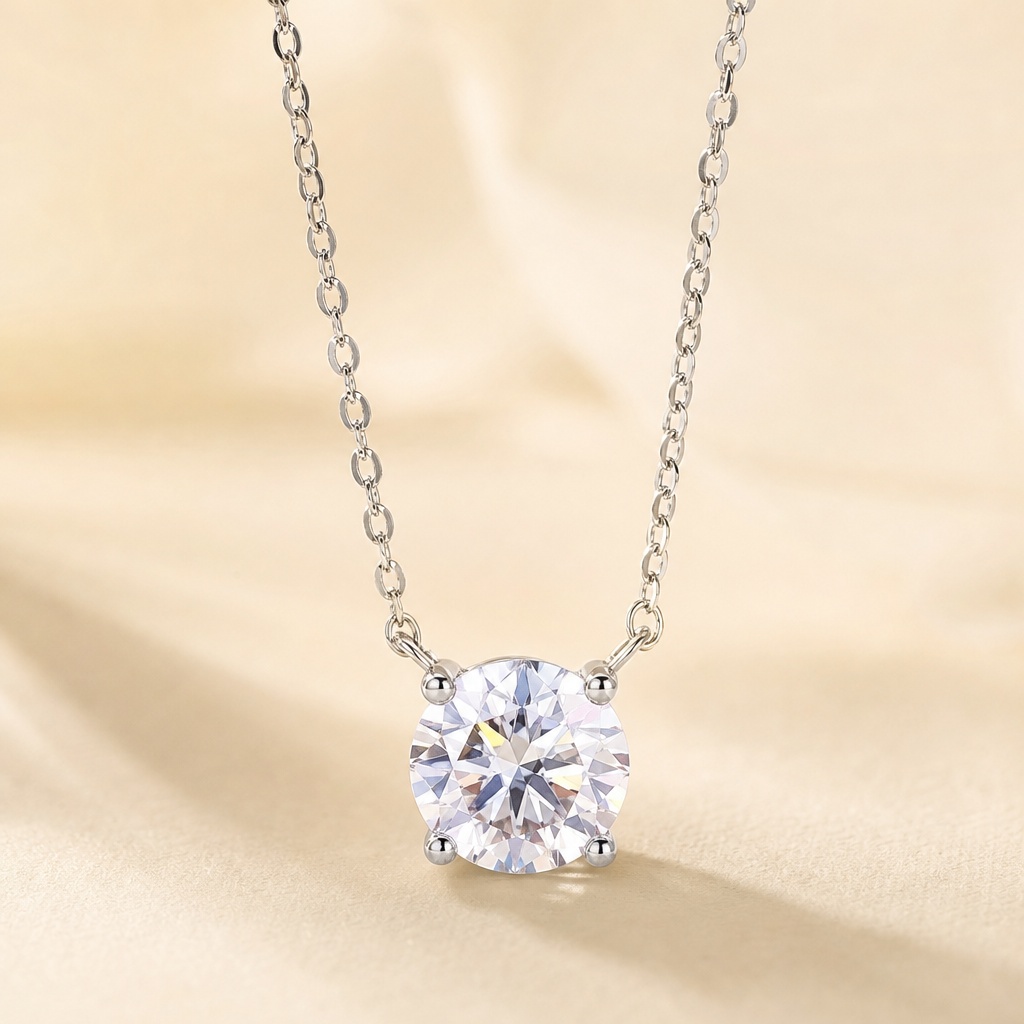
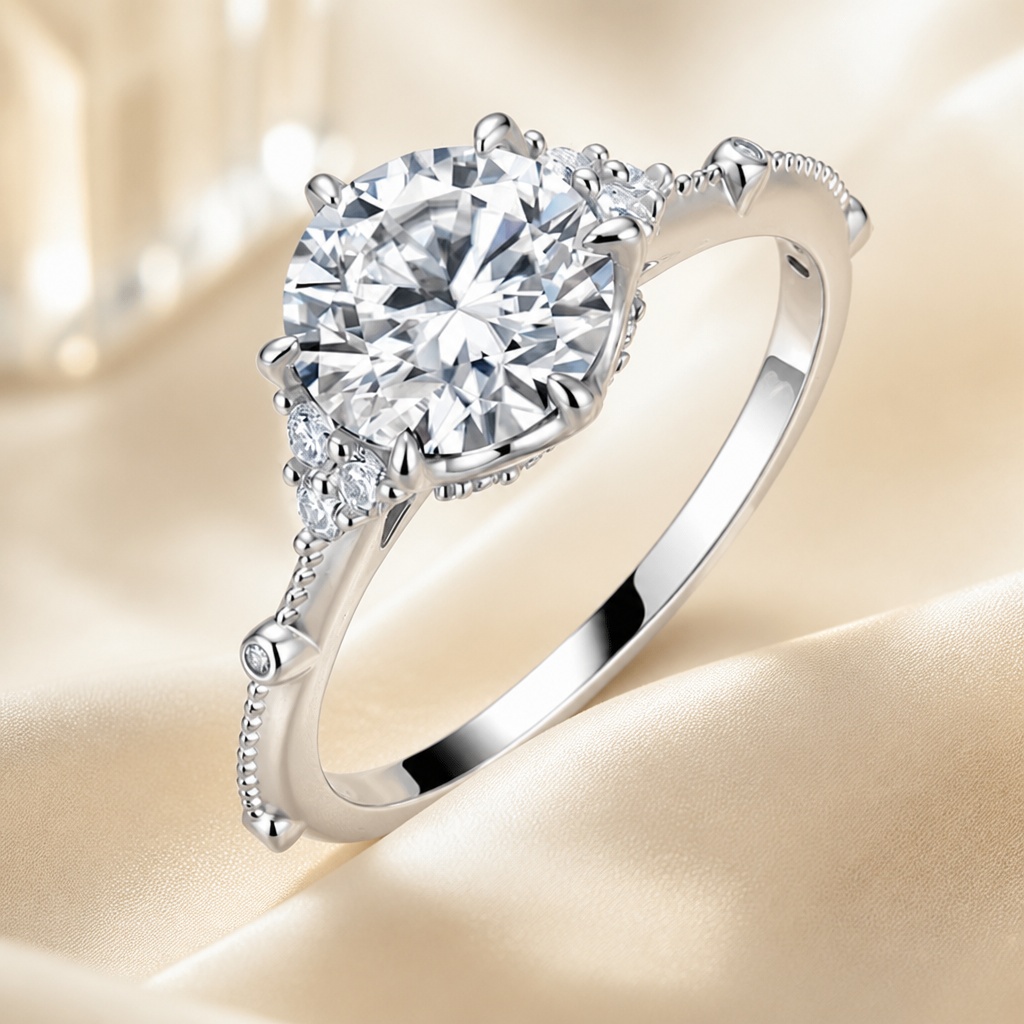
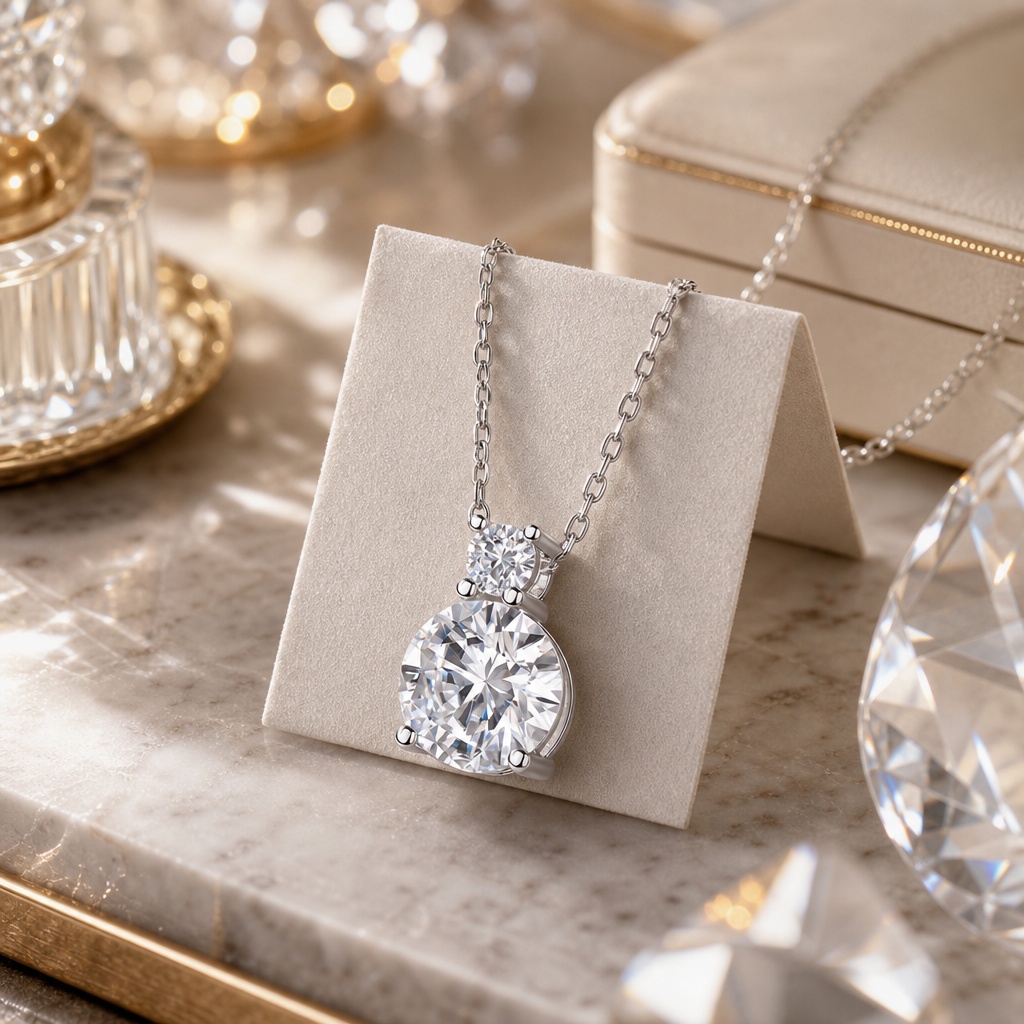
Moissanite is known for its intense brilliance and colorful flashes of fire. It is often selected for engagement rings, earrings, necklaces, and everyday jewelry because it offers a diamond-like appearance with its own distinctive character.
It is important to note that moissanite is not a natural diamond or a lab-grown diamond. It is a separate gemstone and should be described honestly as such.
What Is a Diamond?
A diamond is a naturally occurring gemstone made from carbon. Lab-grown diamonds have essentially the same chemical composition and crystal structure as natural diamonds, but they are created in a controlled laboratory environment.
Diamonds are valued for their hardness, rarity, traditional symbolism, and long-standing place in fine jewelry. They remain a popular choice for engagement rings and milestone gifts.
Brilliance and Fire
Both moissanite and diamond can look bright and elegant. However, they reflect light differently.
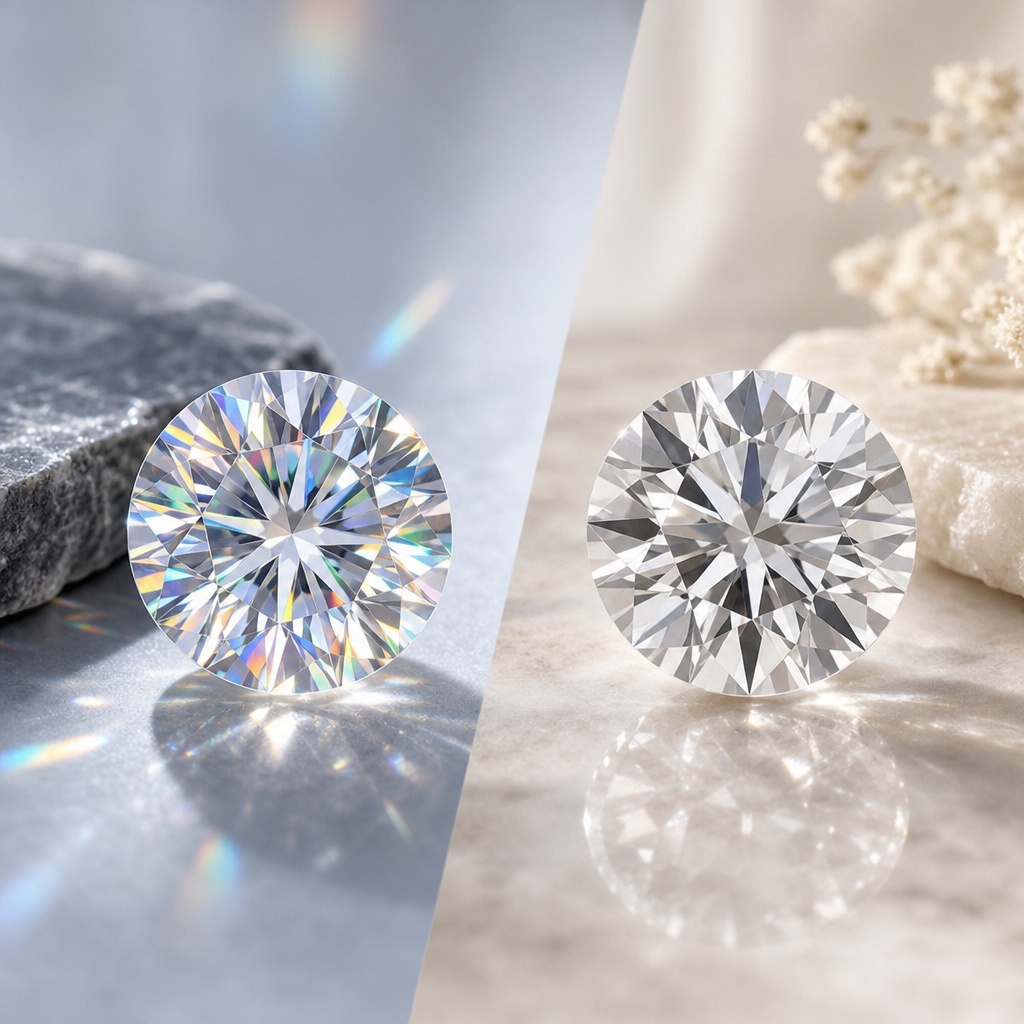
Moissanite typically produces more colorful flashes, especially under direct lighting. Diamonds tend to have a more classic white sparkle with less rainbow fire. The choice often comes down to personal preference:
- Choose moissanite if you love noticeable sparkle and colorful flashes.
- Choose diamond if you prefer traditional diamond brilliance and symbolism.
The cut of the stone also has a major effect on its appearance. A well-cut stone can look more brilliant, balanced, and refined regardless of its type.
Durability for Everyday Jewelry
Diamond ranks 10 on the Mohs hardness scale, while moissanite ranks approximately 9.25. Both are durable enough for many types of everyday jewelry.
Moissanite is a practical option for daily-wear earrings, necklaces, bracelets, and rings. However, all jewelry should be protected from heavy impact, harsh chemicals, intense workouts, and activities that may cause scratching or damage.
The metal setting also matters. A durable gemstone can still be affected by a loose setting or improper care.
Price and Value
One of the main reasons shoppers choose moissanite is its accessibility. Moissanite jewelry is generally more affordable than a comparable natural diamond of similar visual size and quality.
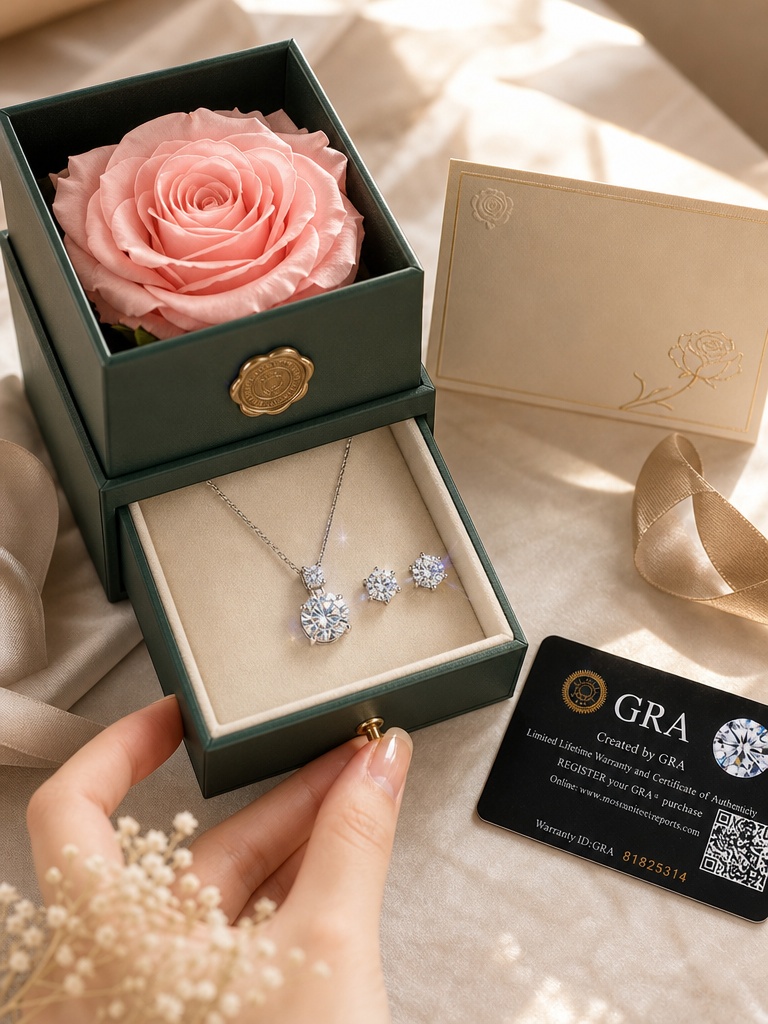
This can make it possible to choose a larger center stone, a more detailed setting, or additional pieces such as matching earrings and a necklace.
Price should not be the only consideration. Before purchasing, review the stone type, dimensions, metal, finish, warranty, and return policy.
Which One Should You Choose?
Moissanite may be right for you if you want:
- Brilliant sparkle with noticeable fire
- A durable gemstone for everyday wear
- A diamond-inspired look at a more accessible price
- A versatile option for travel, gifting, or daily styling
A natural or lab-grown diamond may be right for you if you specifically value diamond origin, traditional symbolism, or the classic characteristics associated with diamonds.
There is no single correct choice. The best gemstone is the one that fits your personal taste, lifestyle, and expectations.
Shop with Confidence
When shopping for moissanite jewelry, look for clear product details, including stone type, dimensions, metal, finish, and care instructions. Transparent information allows you to compare pieces confidently and choose jewelry you will enjoy wearing for years.
Explore our moissanite jewelry collection and find your everyday sparkle.